


SS-31 (10mg)
SS-31 peptide, also known as elamipretide, was first discovered by researchers Hazel H. Szeto and Peter W. Schiller. It was designed to target mitochondria—the energy hubs of cells—and bind selectively to cardiolipin in the inner mitochondrial membrane. This interaction helps preserve normal mitochondrial function and stability in experimental models. Over time, its precision and consistency have made it a major focus in cellular, oxidative, and aging research.
This guide gives you an overview of SS-31 (10mg), including its structure, properties, and safe laboratory handling. It provides the essential knowledge you need to use it effectively in controlled research studies.
Overview of SS-31 (Elamipretide)
What is SS-31 peptide? It is a synthetic tetrapeptide specifically engineered to interact with the inner mitochondrial membrane, where it binds to cardiolipin to help maintain structural integrity and efficient mitochondrial respiration. Its unique sequence allows it to support mitochondrial energetics and help limit oxidative damage.
SS-31 is most often used in studies exploring mitochondrial dysfunction, cellular aging, and energy metabolism. Each vial contains 10 mg of highly pure, lyophilized peptide to ensure consistent measurement and storage stability. Proper reconstitution using sterile solvents is essential for reliable research results and reproducible experimental accuracy.
Background and Research Purpose
SS-31 (elamipretide) is a mitochondria-targeted tetrapeptide discovered by Hazel H. Szeto and Peter W. Schiller. It localizes to the inner mitochondrial membrane and binds cardiolipin, a phospholipid critical for mitochondrial structure and function. Subsequent studies (including work from the University of Washington) have examined SS-31’s effects on mitochondrial bioenergetics and redox balance. [1]
This peptide has since been examined in numerous studies investigating cellular aging, bioenergetics, and mitochondrial dysfunction. It is widely used to explore how preserving mitochondrial structure supports energy production and redox balance. Its ongoing evaluation continues to deepen understanding of mitochondrial health in controlled laboratory settings.
Chemical and Structural Information
SS-31 is a synthetic tetrapeptide formulated for research focused on mitochondrial function and oxidative balance. [2] Its molecular design combines stability with strong binding affinity to the inner mitochondrial membrane, helping preserve mitochondrial energetics during laboratory testing.
In its lyophilized form, SS-31 remains stable and easy to handle, allowing precise reconstitution when required. You can depend on its consistent structure and purity for reliable data across controlled experimental environments that assess mitochondrial performance and cellular bioenergetics.
Molecular Composition and Sequence
SS-31 (Elamipretide) is a mitochondria-targeted tetrapeptide that accumulates in the inner mitochondrial membrane and is studied for its effects on mitochondrial function, oxidative stress, and bioenergetics.
-
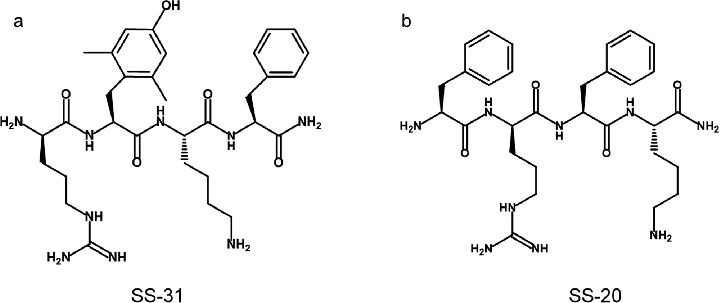
Peptide Sequence: D-Arg (D-arginine) – Dmt (2,6-dimethyl-L-tyrosine) – Lys (L-lysine) – Phe (L-phenylalanine) – NH₂ (amide)
-
Molecular Formula: C₃₂H₄₉N₉O₅
-
Molecular Weight: ~639.8 g/mol [3]
-
CAS Number: 736992-21-5
-
PubChem CID: 11764719
-
Synonyms: SS-31; MTP-131; Bendavia; Rx-31; D-Arg-Dmt-Lys-Phe-NH₂
Lyophilized (Freeze-Dried) Form for Stability
SS-31 is supplied in a lyophilized (freeze-dried) form to maintain peptide stability, purity, and shelf life. This process removes moisture while preserving the peptide’s molecular structure and integrity. The freeze-dried powder typically appears white to off-white, indicating a properly preserved sample.
You can easily reconstitute SS-31 using sterile solvents or buffers for accurate measurements in laboratory studies. Lyophilization minimizes degradation risks during transport and storage, ensuring long-term consistency. This form supports dependable performance in research focused on mitochondrial structure, oxidative balance, and cellular energy function.
Solubility and Preparation Guidelines
SS-31 dissolves well in sterile water, bacteriostatic water, or compatible laboratory buffers. Use sterile techniques to prevent contamination during reconstitution. Add the solvent slowly along the vial wall and gently swirl—avoid shaking, which can damage the peptide’s structure.
The ideal pH for dissolution is near neutral, around 7.0. Once reconstituted, store SS-31 under cold, stable conditions to maintain peptide integrity. For precise experimental results, calculate the desired concentration carefully and document preparation details. This process ensures consistency and accuracy across all mitochondrial function research studies.
Mechanism of Action
SS-31 acts by targeting the inner mitochondrial membrane, where it binds to cardiolipin to stabilize mitochondrial structure and support energy production. This interaction helps minimize oxidative stress and limits damage caused by reactive oxygen species.
In controlled studies, SS-31 supports mitochondrial respiration, balances redox homeostasis, and preserves adenosine triphosphate (ATP) synthesis. [4] Its mechanism highlights a unique ability to enhance mitochondrial efficiency, making it a valuable research peptide for studying cellular energetics and oxidative balance.
Targeting the Inner Mitochondrial Membranes
SS-31 selectively targets the inner mitochondrial membrane, binding to cardiolipin, a phospholipid essential for maintaining mitochondrial structure and bioenergetic balance. [5] This specific interaction helps stabilize the electron transport chain and supports cytochrome c retention, aiding consistent ATP production and reducing oxidative stress during research experiments.
Studies also associate SS-31’s membrane-stabilizing behavior with the regulation of the mitochondrial permeability transition pore, which contributes to maintaining mitochondrial integrity under stress conditions. Its cationic and aromatic properties allow it to cross membranes easily and localize within mitochondria.
Studies show that SS-31 enhances mitochondrial respiration, limits oxidative damage, and preserves membrane potential. By maintaining structural integrity and energy flow, SS-31 provides a reliable tool for exploring and reversing mitochondrial dysfunction. This precise targeting continues to make SS-31 a leading peptide in mitochondrial research.
Role in Reducing Oxidative Stress and Cellular Damage
Reactive oxygen species (ROS) are natural byproducts of cellular metabolism, but excessive buildup can harm the inner membrane and disrupt energy production. Researchers studying oxidative balance have found that certain peptides, such as SS-31, interact directly with cardiolipin to protect against oxidative stress.
This interaction also helps control mitochondrial reactive oxygen species, reducing their accumulation, resulting in significantly decreased oxidative damage observed in experimental models. It also helps prevent lipid peroxidation, preserving mitochondrial structure and maintaining redox homeostasis. Controlled studies show that SS-31 supports the stability of mitochondrial proteins, DNA integrity, and ATP synthesis under stress conditions.
By minimizing oxidative damage and sustaining mitochondrial respiration, SS-31 peptides provide researchers with a dependable tool for exploring cellular resilience, energy balance, and mitochondrial dysfunction across various bioenergetic studies.
Improving Energy Efficiency and Cellular Function
Mitochondria generate most of a cell’s energy through ATP production, and maintaining this process is central to bioenergetic research. In laboratory settings, SS-31 supports mitochondrial respiration by stabilizing the electron transport chain and reducing proton leak, which may improve overall energy efficiency and contribute to enhancing mitochondrial function.
Studies show that this peptide helps maintain mitochondrial coupling, promoting consistent ATP synthesis under stress conditions. It also contributes to better cellular metabolism by preserving membrane potential and limiting oxidative imbalance.
These effects make SS-31 valuable in studies of cellular function, aging, and metabolic health, where energy output, redox balance, and improving mitochondrial function are critical. By improving mitochondrial performance, SS-31 helps maintain cell resilience and supports accurate bioenergetic measurements.
Research and Experimental Applications
SS-31 is widely used in research focused on mitochondrial health, mitochondrial disorders, oxidative stress, and cellular energy regulation. Its strong affinity for the inner mitochondrial membrane makes it ideal for studying mitochondrial dysfunction and cellular repair under experimental stress.
Researchers examine SS-31 across various models, including studies on neurodegenerative processes, cardiac bioenergetics, aging, and muscle metabolism. These applications help expand understanding of mitochondrial structure, ATP production, and redox balance, supporting ongoing scientific advancements in cellular bioenergetics.
Mitochondrial Health and Cellular Repair Studies
Researchers use SS-31 to investigate how mitochondria respond to oxidative stress and how cells recover from metabolic disruption. Its ability to bind to cardiolipin and stabilize the inner mitochondrial membrane makes it valuable for studying mitochondrial structure, bioenergetics, and cellular repair.
Laboratory findings show that SS-31 supports ATP production and reduces oxidative damage in in vitro and ex vivo models. Scientists also use it to analyze mitochondrial dysfunction associated with aging and energy imbalance. It has also been examined in research related to mitochondrial myopathy, including primary mitochondrial myopathy, where researchers study how mitochondrial structure and energetics respond under controlled conditions.
By enhancing understanding of redox homeostasis and cellular resilience, SS-31 continues to serve as a key research tool for exploring mitochondrial dynamics, recovery pathways, and bioenergetic efficiency.
Neuroprotective and Cognitive Function Research
In neuroscience research, SS-31 is often examined for its effects on neuronal mitochondria and their role in sustaining cellular energy balance. Studies show that it helps preserve mitochondrial function in neural tissues exposed to oxidative stress, which is important for maintaining stable synaptic activity and neurotransmission.
Scientists also investigate SS-31 to examine mitochondrial health in models of neurodegenerative and mitochondrial diseases, [6] offering valuable insight into how mitochondrial resilience supports neural cell stability under challenging laboratory conditions. In addition, researchers test SS-31 in both cell-based and animal studies to evaluate its influence on brain metabolism, learning, and memory performance during experimentally induced stress.
The peptide’s action in supporting mitochondrial respiration and minimizing oxidative imbalance provides a controlled framework for studying neurodegeneration and cognitive decline. By improving mitochondrial efficiency, SS-31 reveals key aspects of the relationship between cellular energy, neural resilience, and long-term brain health.
Cardiac and Vascular Function Studies
In cardiac research, SS-31 is studied for its influence on mitochondrial efficiency within heart muscle cells exposed to metabolic or oxidative stress. Its ability to bind cardiolipin helps preserve mitochondrial structure, supporting consistent ATP production and energy delivery in cardiac tissue models.
Researchers examine SS-31 for its effects on vascular integrity, endothelial stability, and blood flow regulation, [7] including studies related to kidney disease and atherosclerotic renal artery stenosis. Laboratory data indicate that this peptide helps maintain electron transport chain performance and reduces oxidative damage in heart cells.
Through these findings, SS-31 contributes to a deeper understanding of mitochondrial dysfunction, ischemia-reperfusion injury, and cardiac bioenergetics. This helps explain how energy balance supports overall cellular performance and recovery in cardiovascular research models.
Aging, Fatigue, and Exercise Performance Investigations
Laboratory studies often use SS-31 to examine how mitochondrial decline affects aging, fatigue, and muscle performance. Researchers have observed that SS-31 supports mitochondrial respiration, ATP production, and overall muscle function, helping sustain energy output in aging models. [8]
By maintaining redox homeostasis and minimizing oxidative stress, the peptide allows scientists to explore how energy efficiency impacts endurance and recovery. Experimental results show that SS-31 promotes muscle resilience and preserves mitochondrial structure during prolonged activity.
These findings, along with outcomes from clinical trials, gives a clearer picture of age-related energy imbalance, cellular performance, and bioenergetic recovery. Through continued testing, SS-31 remains a useful tool for studying the connection between mitochondrial function, longevity, and physical capacity.
Pulmonary and Musculoskeletal System Studies
Researchers studying SS-31 have explored its impact on mitochondrial function in both lung and muscle cells. In pulmonary models, SS-31 helps maintain cellular respiration and reduces oxidative imbalance, supporting stable energy flow in respiratory tissues.
Studies also evaluate its influence on skeletal muscle performance, endurance, and ATP synthesis following fatigue or metabolic strain, [9] including data from treatment with SS 31 in experimental settings. The peptide’s action in stabilizing the inner mitochondrial membrane promotes consistent mitochondrial respiration and improved bioenergetic efficiency.
Findings from SS-31 treatment in laboratory research show how the peptide supports mitochondrial respiration and helps reduce oxidative imbalance in both pulmonary and muscular systems. These observations help researchers better understand how mitochondrial resilience contributes to tissue oxygen utilization and energy recovery.
These findings assist in understanding how SS-31 contributes to tissue oxygen utilization and energy balance under controlled research settings. Its dual focus on pulmonary and muscular systems sheds light on mitochondrial resilience across diverse biological environments.
Product Quality and Testing
Each batch of SS-31 undergoes extensive laboratory testing to confirm purity, identity, and structural consistency. Analytical methods such as HPLC and mass spectrometry verify molecular accuracy and detect potential contaminants.
Every 10mg vial is manufactured under strict quality standards to ensure reproducibility across research experiments. These procedures support the reliability of SS-31 in mitochondrial studies and maintain trust in data accuracy. Independent testing and transparent documentation reflect Peptides Online’s ongoing commitment to research integrity.
Purity and Identity Verification
The purity of SS-31 is verified through High-Performance Liquid Chromatography (HPLC), ensuring each batch meets or exceeds a 98% purity standard. Additional testing methods, including mass spectrometry (MS) and nuclear magnetic resonance (NMR), confirm the peptide’s molecular identity and composition.
These analyses help maintain consistency across all 10mg vials and prevent contamination. Third-party laboratories perform independent validation to uphold research reliability. This rigorous quality-control process reflects Peptides Online’s dedication to transparency, precision, and reproducibility in every SS-31 batch used for scientific study.
Certificate of Analysis (COA)
A Certificate of Analysis (COA) provides verified documentation confirming the authenticity and quality of SS-31. Each report includes key data such as purity percentage, molecular weight, batch number, and analytical results from independent testing. Every 10mg vial listed on Peptides Online is supported by a COA that validates its laboratory-grade standards.
Researchers can review this certificate to confirm batch consistency and verify compliance with scientific requirements. These transparent practices help you buy SS-31 confidently, knowing each product meets strict research specifications and reflects Peptides Online’s commitment to quality and traceability.
Storage and Handling
For best stability, store SS-31 in its lyophilized form at –20°C or colder, away from light and moisture. After reconstitution, short-term storage in a refrigerator between 2°C and 8°C is recommended. For long-term preservation, freeze aliquots to prevent repeated freeze-thaw cycles, which can degrade the peptide.
Always handle SS-31 with sterile tools and protective equipment to avoid contamination. Label and record each vial clearly to maintain traceability. Proper handling maintains peptide integrity and ensures consistent results in mitochondrial research and related laboratory studies.
Safety and Compliance Disclaimer
SS-31 (10mg) is intended strictly for laboratory research use only. It is not approved for human, veterinary, or diagnostic applications. This product should be handled solely by trained professionals in controlled laboratory environments following standard safety protocols. The information provided here is for scientific and educational reference and must not be interpreted as medical, therapeutic, or legal advice. All content supports transparency, accuracy, and responsible research practices related to SS-31. Proper handling and documentation are required to maintain compliance with all applicable research and laboratory standards.
References and Supporting Literature
-
Zhao, W., Xu, Z., Cao, J., Fu, Q., Wu, Y., Zhang, X., Long, Y., Zhang, X., Yang, Y., Li, Y., & Mi, W. (2019). Elamipretide (SS-31) improves mitochondrial dysfunction, synaptic and memory impairment induced by lipopolysaccharide in mice. Journal of Neuroinflammation, 16(230). PMC
-
Tung, C., Varzideh, F., Farroni, E., Mone, P., Kansakar, U., Jankauskas, S. S., & Santulli, G. (2025). Elamipretide: A Review of Its Structure, Mechanism of Action, and Therapeutic Potential. International Journal of Molecular Sciences, 26(3), 944. MDPI
-
Elamipretide. (n.d.). PubChem Compound Summary for CID 11764719, Elamipretide. National Library of Medicine. PubChem
-
Ye, P., Liu, H., Qin, Y., Li, Z., Huang, Z., Bu, X., Peng, Q., Duan, N., Wang, W., & Wang, X. (2024). SS-31 mitigates oxidative stress and restores mitochondrial function in cigarette smoke-damaged oral epithelial cells via PINK1-mediated mitophagy. Chemico-Biological Interactions, 400. ScienceDirect
-
Birk, A. V., Liu, S., Soong, Y., Mills, W., Singh, P., Warren, J. D., Seshan, S. V., & Szeto, H. H. (2013). The mitochondrial-targeted compound SS-31 re-energizes ischemic mitochondria by interacting with cardiolipin. Journal of the American Society of Nephrology, 24(8), 1250–1261. PMC
-
Reddy, P. H., Manczak, M., & Kandimalla, R. (2017). Mitochondria-targeted small molecule SS31: a potential candidate for the treatment of Alzheimer’s disease. Human Molecular Genetics, 26(8), 1483–1496. PMC
-
Liu, S., Soong, Y., Seshan, S. V., & Szeto, H. H. (2014). Novel cardiolipin therapeutic protects endothelial mitochondria during renal ischemia and mitigates microvascular rarefaction, inflammation, and fibrosis. American Journal of Physiology – Renal Physiology, 306(9), F970–F980. AJP
-
Siegel, M. P., Kruse, S. E., Percival, J. M., Goh, J., White, C. C., Hopkins, H. C., Kavanagh, T. J., Szeto, H. H., & Marcinek, D. J. (2013). Mitochondrial-targeted peptide rapidly improves mitochondrial energetics and skeletal muscle performance in aged mice. Aging Cell, 12(5), 763–771. PMC
-
Roshanravan, B., Liu, S. Z., Ali, A. S., Shankland, E. G., Goss, C., Amory, J. K., Robertson, H. T., Marcinek, D. J., & Conley, K. E. (2021). In vivo mitochondrial ATP production is improved in older adult skeletal muscle after a single dose of elamipretide in a randomized trial. PLOS ONE, 16(7), e0253849. PMC