


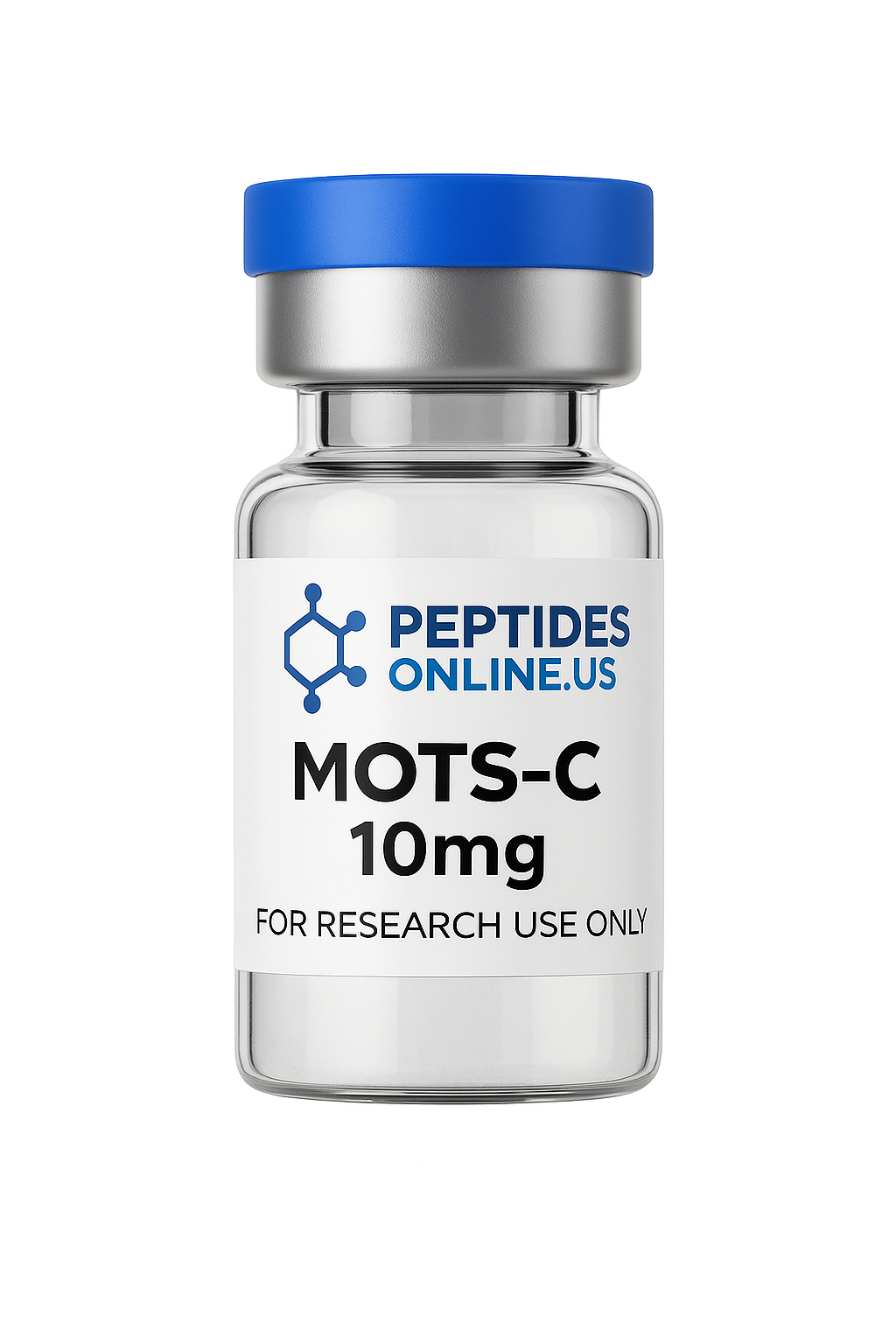
MOTS-c (Mitochondrial-derived peptide) 10mg
MOTS-c is a 16-amino acid peptide encoded by the mitochondrial genome, the energy-producing part of the cell. Researchers first noticed its levels increase during physical activity, which led to studies on how it influences cellular metabolism and energy regulation.
Scientific findings show that MOTS-c helps regulate glucose uptake, improve insulin sensitivity, and influence fat metabolism. It supports mitochondrial function and helps maintain metabolic homeostasis under controlled research conditions.
MOTS-c Peptide (10mg) has become a key focus in metabolic and mitochondrial research. Its consistent performance in studies continues to reveal how mitochondrial-derived peptides contribute to energy balance, cellular communication, and the overall understanding of metabolic health.
What Is MOTS-c?
What is MOTS-c? It is a small bioactive peptide encoded by the mitochondrial genome, a rare trait since most peptides are derived from nuclear DNA. MOTS belongs to a group known as mitochondrial-derived peptides, which act as important regulators of cellular metabolism.
Researchers first identified MOTS-c for its influence on energy balance and metabolic function. It communicates with the nucleus to help regulate nuclear gene expression, linking mitochondrial activity to cellular responses observed in research models.
In scientific studies, MOTS-c has been observed to influence glucose metabolism, insulin sensitivity, and muscle energy regulation. Its unique mitochondrial origin and signaling role make it an important focus in molecular biology and metabolic research.
Origin and Discovery
MOTS-c peptide was first identified in 2015 by researchers from the University of Southern California’s Leonard Davis School of Gerontology. This discovery introduced derived peptide MOTS-c as a unique mitochondrial sequence, found during studies exploring how mitochondria communicate with the rest of the cell to regulate metabolism. [1]
Scientists found that MOTS-c is encoded within mitochondrial DNA, not nuclear DNA, marking a major shift in how mitochondrial genetics were understood. Early investigations confirmed its sequence and activity using advanced genetic sequencing and peptide isolation methods.
The first peer-reviewed papers, published in Cell Metabolism (Cell Metab), established MOTS-c as a distinct mitochondrial-derived peptide. [2] Its discovery opened a new field of research focused on mitochondrial peptides and their role in energy regulation, cellular stress response, and metabolic signaling pathways.
How MOTS-c Works in the Body
MOTS-c peptides act as signaling molecules between mitochondria and the cell nucleus, coordinating metabolic responses to stress and energy demand in research settings. Researchers continue to study its molecular mechanisms, focusing on how it activates the AMP-activated protein kinase (AMPK) pathway, which helps regulate glucose uptake and energy balance in muscle tissue.
In experimental models, MOTS-c has been observed to enhance mitochondrial activity and promote efficient energy use during metabolic challenges. It also influences the expression of nuclear genes linked to cellular metabolism and stress adaptation, supporting overall mitochondrial and cellular health in controlled laboratory conditions.
Studies suggest that MOTS-c helps maintain metabolic homeostasis by supporting glucose metabolism and lipid regulation. These findings continue to shape how researchers understand mitochondrial-derived peptides and their influence on cellular function and energy control.
Molecular Structure and Composition
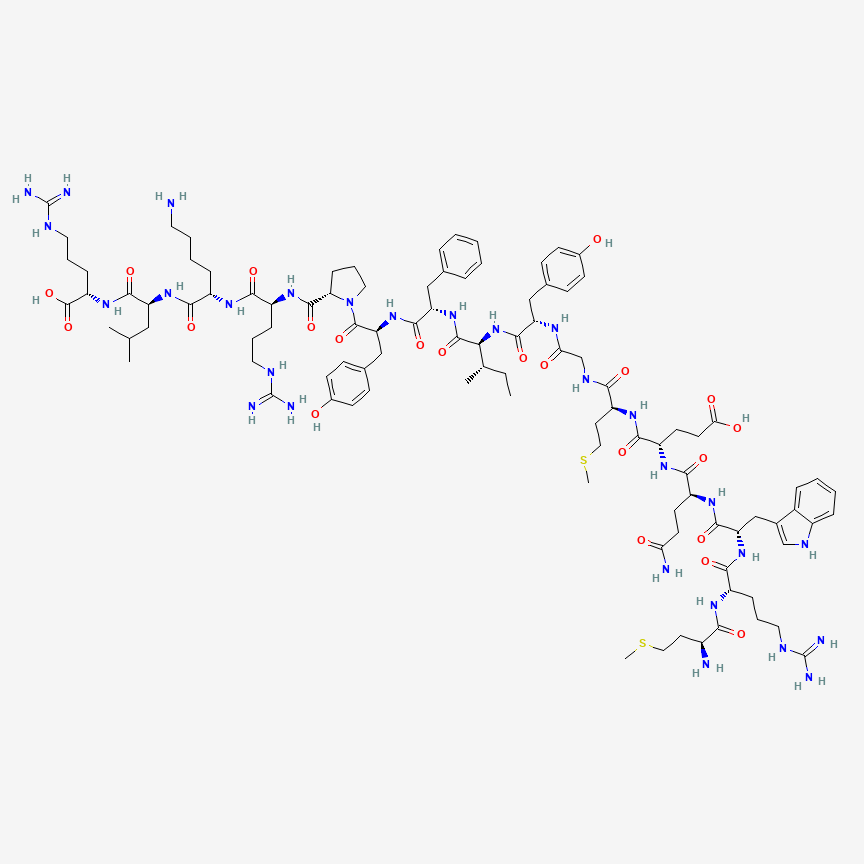
MOTS-c is a short 16-amino acid peptide encoded by the mitochondrial 12S rRNA region. It represents a class of mitochondrial-derived peptides with unique signaling and regulatory properties. This compact structure allows MOTS-c to move between mitochondria and the nucleus, influencing metabolic gene activity.
Its molecular composition contributes to stability, solubility, and consistent biochemical interactions. MOTS-c Peptide (10mg) used in research is synthesized to high purity, ensuring consistent identity and structure. These characteristics make it valuable for studies focused on mitochondrial function, metabolic regulation, and peptide signaling mechanisms within controlled laboratory environments.
Peptide Sequence and Formula
MOTS-c has a distinct molecular structure that allows precise interaction with mitochondrial and cellular systems. It is a 16-amino acid sequence derived from the mitochondrial genome and confirmed through peptide mapping and spectrometric analysis.
-
Peptide Sequence: MRWQEMGYIFYPRKLR
-
Molecular Formula: C101H152N28O22S2
-
Molecular Weight: 2177.6 g/mol
-
CAS Number: 146591-15-1
-
PubChem CID: 146675088
-
Synonyms: 1627580-64-6, UNII-A5CV6JFB78, MOTS-c (human) (trifluoroacetate salt), A5CV6JFB78
These molecular identifiers help maintain clarity across research and formulation standards. MOTS-c’s compact structure and stability make it a reliable reference in studies on mitochondrial-derived peptides, cellular energy metabolism, and peptide signaling.
Mitochondrial-Derived Peptide Characteristics
Unlike most peptides derived from nuclear DNA, MOTS-c originates from the mitochondrial 12S rRNA gene, highlighting mitochondria’s unexpected role in genetic signaling. [3] This distinction makes MOTS-c an important focus in peptide biology.
Its 16-amino acid sequence provides strong structural stability and solubility under standard laboratory conditions. Analytical testing, including high-performance liquid chromatography (HPLC) and mass spectrometry (MS), confirms its identity and purity.
Compared to other MDPs such as Humanin and SHLP peptides, MOTS-c shows unique biochemical behavior. Researchers value its ability to bridge mitochondrial activity with nuclear gene expression in studies of energy regulation and metabolic control.
Research-Grade Purity and Formulation
Research-grade MOTS-c Peptide (10mg) is synthesized using solid-phase peptide synthesis to achieve precise amino acid sequencing and structural accuracy. Each batch undergoes analytical validation to confirm purity, molecular weight, and peptide integrity.
HPLC and MS are used to verify quality and consistency. Results must meet or exceed established purity thresholds for research-grade classification. This level of precision supports reproducible outcomes across studies.
The peptide is lyophilized into a stable powder and sealed to prevent degradation. Proper solvent compatibility and reconstitution procedures preserve its molecular stability during research use. Every batch follows strict production standards to ensure uniformity and confidence in laboratory applications.
MOTS-c Research and Scientific Studies
MOTS-c continues to attract scientific interest for its role in regulating metabolism, mitochondrial function, and cellular communication. Researchers study it across multiple systems to understand how it influences energy production and molecular signaling.
Current studies explore MOTS-c’s effects on skeletal muscle metabolism, fat regulation, and insulin sensitivity. Additional investigations examine its potential connection to bone density, cardiovascular health, and longevity pathways.
These findings have positioned MOTS-c as a key focus in metabolic and mitochondrial research, offering valuable insight into how mitochondrial-derived peptides contribute to energy balance and cellular adaptation in controlled experimental settings.
Role in Muscle Energy and Metabolism
Research shows that MOTS-c plays an active role in skeletal muscle metabolism and energy control. Studies on muscle tissue have demonstrated that endogenous MOTS-c, produced naturally within mitochondria, enhances glucose uptake and supports efficient energy use during physical activity and metabolic stress.
In mouse skeletal muscle models, MOTS-c expression increases in response to exercise, linking it directly to mitochondrial function and metabolic flexibility. [4] Researchers have also measured changes in endogenous MOTS-c levels during activity and recovery phases, showing a dynamic link between mitochondrial signaling and muscle energy demand. MOTS-c has been shown to support endurance and energy balance by supporting mitochondrial efficiency in muscle cells.
Comparative studies report fluctuations in MOTS-c levels depending on nutrient status and activity intensity. These findings suggest that MOTS-c contributes to regulating energy metabolism, maintaining muscle homeostasis, and promoting adaptive responses to changing metabolic demands in research environments.
Effects on Fat Regulation and Weight Balance
Scientific studies show that MOTS-c influences pathways linked to insulin signaling and glucose regulation. Researchers have observed improved glucose uptake and utilization in experimental models following MOTS-c administration. These effects suggest a close connection between MOTS-c activity and cellular energy balance.
MOTS-c interacts with the AMP-activated protein kinase (AMPK) pathway, a major regulator of insulin sensitivity and mitochondrial communication. [5] In high-fat diet studies, mice fed a high-fat diet and treated with MOTS-c showed stable metabolic function and reduced signs of obesity and insulin resistance.
Comparative data indicate that MOTS-c levels correspond with changes in glucose metabolism and energy status. Ongoing investigations continue to explore its contribution to metabolic regulation, emphasizing its importance in maintaining balance across energy storage, nutrient processing, and cellular adaptation systems.
Support for Insulin Sensitivity and Glucose Uptake
Researchers study MOTS-c for its connection to insulin sensitivity and glucose regulation. In experimental settings involving metabolic imbalance or pancreatic islet destruction, MOTS-c treatment significantly improved glucose transport in skeletal muscle and liver tissue. [6] This helped enhance glucose metabolism and maintain glucose homeostasis in research models.
Some studies also report that MOTS-c influences insulin secretion, reflecting its role in coordinated energy regulation. These effects highlight its influence on cellular energy pathways and mitochondrial activity. Other studies reveal that MOTS-c enhances insulin receptor signaling, improving communication between metabolic cells. Its expression shifts during fasting, dietary changes, and physical activity, suggesting a role in adaptive glucose control.
In laboratory models, researchers monitor MOTS-c’s impact on insulin resistance markers and overall metabolic flexibility. Current findings continue to clarify how this mitochondrial-derived peptide helps coordinate glucose balance through energy signaling mechanisms and gene regulation processes.
Research on Bone Density and Osteoporosis Prevention
Studies investigating MOTS-c and bone density show promising insights into how this mitochondrial-derived peptide influences skeletal health. Researchers observed that MOTS-c affects osteoblast and osteoclast activity, two key cell types responsible for bone formation and resorption. [7]
In controlled models, MOTS-c supported balanced bone metabolism by modulating mitochondrial signaling and energy use within bone tissue. Peer-reviewed studies also suggest that MOTS-c may enhance bone mineralization and structural integrity.
Comparative experiments in aging and osteoporosis models show that MOTS-c contributes to maintaining bone density and reducing skeletal decline. These findings have encouraged continued research into its role in bone formation, mineral balance, and cellular adaptation within metabolic and mitochondrial frameworks.
Longevity and Anti-Aging Pathways
MOTS-c has gained attention for its connection to cellular longevity and stress resistance. Researchers have found that MOTS-c activates genes and molecular pathways associated with aging control, including the AMP-activated protein kinase (AMPK) pathway. This activation supports energy regulation and cellular maintenance over time.
Studies in aging cell and animal models show that MOTS-c helps preserve mitochondrial health and metabolic balance. Its levels tend to decrease with age, which researchers link to age-dependent physical decline, and replenishment in research settings has been shown to improve key indicators of cellular resilience. [8]
Ongoing investigations focus on how MOTS-c interacts with longevity-related factors such as caloric restriction, exercise, and oxidative stress caused by reactive oxygen species. These findings highlight its potential role in supporting healthy cellular function and lifespan regulation through mitochondrial signaling.
Heart and Vascular Health Studies
Researchers have examined MOTS-c for its role in cardiovascular and vascular health. Studies show that MOTS-c supports mitochondrial efficiency and energy metabolism within cardiac muscle cells, helping maintain balanced cellular function during stress. These findings connect mitochondrial signaling to heart performance and cardiovascular disease research. [9]
In endothelial cell research, MOTS-c improved vascular tone and circulation, suggesting a role in maintaining vascular integrity. Data also indicate that plasma MOTS-c levels shift in response to exercise and cardiovascular strain, linking it to adaptive metabolic control.
Further investigations focus on how MOTS-c interacts with oxidative balance and inflammatory pathways in cardiac tissue. This growing body of evidence positions MOTS-c as an important target for understanding mitochondrial regulation in cardiovascular research.
Additional Areas of Investigation (Inflammation, Exercise Recovery)
MOTS-c research continues to expand into areas involving inflammation, immune response, and exercise recovery. Studies show that MOTS-c influences inflammatory signaling by modulating cytokine activity in cellular and animal models. This regulatory function may help balance immune responses during metabolic or physical stress. [10]
In exercise-related research, MOTS-c has been linked to faster recovery and reduced oxidative stress after intense physical activity. Experimental findings suggest that it helps protect muscle tissue from metabolic fatigue by maintaining mitochondrial function and energy efficiency.
Comparative data reveal that MOTS-c expression increases following exercise, supporting its role in adaptation and endurance. These findings continue to guide research on MOTS-c’s contribution to inflammation control, cellular protection, and muscle resilience.
Product Quality and Laboratory Use
MOTS-c Peptide (10mg) from Peptides Online is produced under strict laboratory standards to ensure consistency and reliability for research use. Each batch undergoes purity and identity testing to verify molecular integrity.
A Certificate of Analysis (COA) is provided to confirm compliance with research-grade specifications. This ensures transparency, reproducibility, and confidence in experimental results. MOTS-c’s verified purity and precise formulation make it suitable for controlled scientific studies involving mitochondrial-derived peptides and metabolic research applications.
Certificate of Analysis (COA)
Each batch of MOTS-c Peptide (10mg) comes with a detailed Certificate of Analysis (COA) confirming its purity, molecular identity, and analytical testing results. The COA includes data from high-performance liquid chromatography and mass spectrometry, which verify peptide composition and molecular weight accuracy.
This documentation provides transparency and traceability by linking each batch to specific test results. Researchers use the COA to confirm that MOTS-c meets research-grade specifications before use.
The COA supports consistent laboratory outcomes and ensures reproducibility across experiments. It also helps maintain compliance with internal quality control standards. Scientists who buy MOTS-c rely on this certification to validate product integrity and achieve dependable, high-quality research results.
Purity and Identity Testing Methods
MOTS-c Peptide (10mg) undergoes strict purity and identity verification using advanced analytical methods. High-performance liquid chromatography separates and measures individual peptide components to confirm purity levels, typically 99% or higher. Mass spectrometry validates molecular weight and confirms the amino acid sequence with high precision.
These tests detect impurities, sequence errors, and molecular inconsistencies. Chromatographic and spectrometric data are reviewed to ensure every batch meets research-grade specifications.
Testing is performed in accredited laboratories using calibrated instruments to maintain consistency and reproducibility. All verified results are recorded in the COA, giving researchers full confidence in the peptide’s integrity, quality, and suitability for laboratory applications focused on mitochondrial and metabolic research.
Storage and Handling Information
MOTS-c Peptide (10mg) should remain in its lyophilized, or freeze-dried, form until use. For long-term storage, keep it at –20°C or lower in a dry, dark environment to maintain molecular stability and integrity. Short-term storage at 2–8°C is acceptable when the peptide will be used soon.
When reconstituting, use sterile water or a suitable buffer as recommended for research-grade peptides. Avoid repeated freeze-thaw cycles to prevent degradation.
After reconstitution, store aliquots at –20°C and protect them from light and moisture. Proper labeling and handling procedures ensure accurate experimental results. Following these practices helps preserve MOTS-c’s purity, structure, and performance throughout laboratory use and ongoing research applications involving mitochondrial-derived peptides.
Disclaimer
MOTS-c Peptide (10mg) is intended strictly for laboratory research use. It is not approved for human, veterinary, or diagnostic applications. The product must be handled only by trained professionals in controlled research environments following established safety protocols. All information provided is for scientific and educational reference. It should not be interpreted as medical, therapeutic, or legal advice. Peptides Online presents this information to promote transparency, accuracy, and responsible research practices when using MOTS-c Peptide (10mg) in approved laboratory studies and experimental investigations.
References and Scientific Citations
-
Kim, K. H., Son, J. M., Benayoun, B. A., & Lee, C. (2018). The mitochondrial-encoded peptide MOTS-c translocates to the nucleus to regulate nuclear gene expression in response to metabolic stress. Cell Metabolism, 28(3), 516–524.e7. PMC
-
Lee, C., Zeng, J., Drew, B. G., Sallam, T., Martin-Montalvo, A., Wan, J., … Cohen, P. (2015). The mitochondrial-derived peptide MOTS-c promotes metabolic homeostasis and reduces obesity and insulin resistance. Cell Metabolism, 21(3), 443–454. ScienceDirect
-
Lee, C., Zeng, J., Drew, B. G., Sallam, T., Martin-Montalvo, A., Wan, J., Kim, S.-J., Mehta, H., Hevener, A. L., de Cabo, R., & Cohen, P. (2015). The mitochondrial-derived peptide MOTS-c promotes metabolic homeostasis and reduces obesity and insulin resistance. Cell Metabolism, 21(3), 443–454. PubMed
-
Hyatt, J.-P. K. (2022). MOTS-c increases in skeletal muscle following long-term physical activity and improves acute exercise performance after a single dose. Physiological Reports, 10(13), e15377. PubMed
-
Zheng, Y., Wei, Z., & Wang, T. (2023). MOTS-c: A promising mitochondrial-derived peptide for therapeutic exploitation. Frontiers in Endocrinology, 14, 1120533. PMC
-
Wan, W., Zhang, L., Lin, Y., Rao, X., Wang, X., Hua, F., & Ying, J. (2023). Mitochondria-derived peptide MOTS-c: effects and mechanisms related to stress, metabolism and aging. Journal of Translational Medicine, 21, 36. BMC
-
Yi, X., Hu, G., Yang, Y., Li, J., Jin, J., & Chang, B. (2023). Role of MOTS-c in the regulation of bone metabolism. Frontiers in Physiology, 14, 1149120. PMC
-
Mohtashami, Z., Singh, M. K., Salimiaghdam, N., Ozgul, M., & Kenney, M. C. (2022). MOTS-c, the most recent mitochondrial derived peptide in human aging and age-related diseases. International Journal of Molecular Sciences, 23(19), 11991. PMC
-
Zhong, P., Peng, J., Hu, Y., Zhang, J., & Shen, C. (2022). Mitochondrial-derived peptide MOTS-c prevents the development of heart failure under pressure overload conditions in mice. Journal of Cellular and Molecular Medicine, 26(21), 5369–5378. PubMed
-
Zhong, P., Peng, J., Hu, Y., Zhang, J., & Shen, C. (2022). Mitochondrial-derived peptide MOTS-c prevents the development of heart failure under pressure overload conditions in mice. Journal of Cellular and Molecular Medicine, 26(21), 5369–5378. PMC