


BPC-157 (Gastric pentadecapeptide) - 10mg
BPC-157 is a synthetic peptide fragment derived from a natural protein found in human gastric juice. It is often referred to as a stable gastric pentadecapeptide due to its 15-amino-acid sequence. Researchers have studied BPC-157 for its potential influence on cell migration, tissue repair, and angiogenesis. These investigations explore how it interacts with growth factors that regulate vascular, musculoskeletal soft tissue, and tendon healing.
Early findings suggest that BPC-157 may support cellular communication involved in recovery and regeneration. It has shown stability in various experimental environments, making it valuable in peptide research. Because of these properties, BPC-157 continues to draw interest within regenerative and orthopaedic sports medicine studies as scientists assess its potential applications in biological restoration.
Overview of BPC-157
What is BPC-157? It is a synthetic peptide derived from a natural gastric protein known as the Body Protection Compound. This stable gastric pentadecapeptide consists of 15 amino acids and has been examined for its potential role in cell regulation and regenerative research. Under controlled laboratory conditions, BPC-157 has been studied for its relationship to tissue repair, wound healing, and musculoskeletal recovery.
BPC-157 is known for its stability, which allows consistent performance across experimental models. Researchers have observed its interaction with growth factors such as vascular endothelial growth factor (VEGF), a protein that plays a key role in angiogenesis and cell survival. [1] These findings have made BPC-157 an area of ongoing investigation in regenerative medicine, orthopaedic sports science, and cell restoration studies.
Molecular Structure and Properties
The BPC-157 peptide features a defined and stable molecular structure that contributes to its durability in laboratory environments. Despite being referred to in some markets as a dietary supplement primarily, it remains a research chemical intended for controlled laboratory use.
-
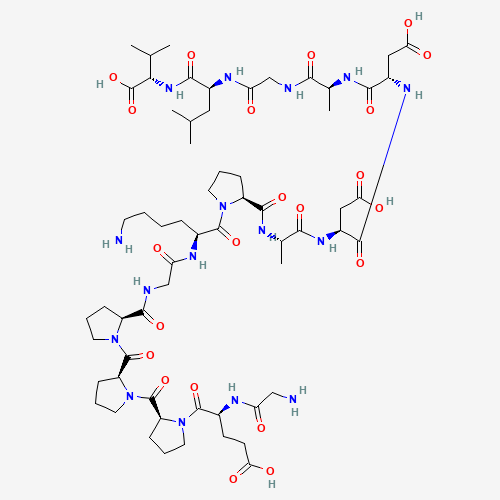
Peptide Sequence: Gly-Glu-Pro-Pro-Pro-Gly-Lys-Pro-Ala-Asp-Asp-Ala-Gly-Leu-Val
-
Molecular Formula: C₆₂H₉₈N₁₆O₂₂
-
Molecular Weight: 1419.535 g/mol
-
CAS Number: 137525-51-0
-
PubChem CID: 9941957
-
Synonyms: Stable Gastric Pentadecapeptide, Body Protection Compound 157
These molecular identifiers confirm the compound’s precise identity and composition. BPC-157’s strong peptide bonds and resistance to degradation make it a preferred model for studying stability, cell interaction, and peptide-based regenerative processes.
Peptide Composition and Sequence
BPC-157 peptides contain a 15-amino acid sequence: Gly-Glu-Pro-Pro-Pro-Gly-Lys-Pro-Ala-Asp-Asp-Ala-Gly-Leu-Val. This sequence mirrors a fragment of the naturally occurring Body Protection Compound found in human gastric juice. [2] The synthetic form is produced in laboratory settings to replicate this segment for controlled research.
Researchers isolate this specific sequence because of its balance between stability and bioactivity. The structure supports studies involving cell signaling, angiogenesis, and tissue repair. Handling outside controlled research conditions may increase safety risks. The peptide’s hydrophilic nature allows solubility in common research solvents while maintaining structural integrity.
Identity verification occurs through high-performance liquid chromatography (HPLC) and mass spectrometry, confirming sequence accuracy and purity. These analytical methods ensure that BPC-157 peptides meet reference standards and maintain reliability across experiments focused on regenerative and biochemical pathways. They also help minimize potential risks from impurities or sequence deviations.
Lyophilized Research Form
BPC-157 is commonly distributed in a lyophilized, or freeze-dried, form. This process removes moisture while preserving molecular integrity and sequence stability. The absence of water extends shelf life and prevents peptide degradation during storage and shipment. [3]
The lyophilized form allows precise reconstitution and accurate measurement in research applications, particularly in studies comparing injectable therapeutic peptides and their stability across experimental environments. Researchers typically reconstitute BPC-157 using sterile solvents while maintaining balanced pH and solvent purity for consistent experimental outcomes.
Lyophilized BPC-157 also facilitates batch uniformity and standardized testing across laboratories. Because each vial retains an identical peptide concentration, it enables reproducible results in cross-study comparisons. The dry format simplifies inventory management and supports compliance with international shipping standards for research materials.
This consistent formulation allows scientists to maintain experimental precision when investigating BPC-157’s biochemical and regenerative properties.
Areas of BPC-157 Research
BPC-157 research spans several key scientific fields that focus on cellular repair and biological restoration. The peptide has been studied for its influence on tissue regeneration, wound healing, angiogenesis, and in vitro metabolism characteristics. Researchers have also explored its potential relevance in vascular development, musculoskeletal repair, and oxidative stress modulation.
Current investigations extend into gastrointestinal health, organ protection, and interactions with experimental drugs. These diverse applications highlight BPC-157’s broad utility as a model compound in regenerative biology. As studies continue, the peptide remains an important subject of interest within molecular medicine, orthopaedic research, and cell-based experimental science.
Studies on Tissue Repair and Wound Healing
BPC-157 has been examined for its potential influence on tissue repair and experimental wound healing therapy mechanisms involving various wounds. Research indicates that the peptide interacts with cellular pathways such as focal adhesion kinase (FAK) and nitric oxide signaling, which regulate fibroblast migration and extracellular matrix formation. [4] These pathways contribute to organized collagen deposition and enhanced structural recovery in soft-tissue models.
Laboratory data have shown accelerated wound closure rates and improved tissue remodeling following peptide application. Observations include faster epithelial regeneration, balanced angiogenic response, and improved alignment of collagen fibers during recovery. [5]
Comparative studies have evaluated BPC-157 alongside other regenerative peptides, emphasizing its unique molecular stability and consistent bioactivity. Researchers have also reported dose-dependent responses in various models, suggesting concentration may influence cell proliferation and matrix organization. Together, these findings highlight BPC-157’s growing role in research centered on musculoskeletal and vascular tissue restoration.
Vascular Development and Blood Flow Support
Laboratory studies and systematic reviews have examined BPC-157 for its role in vascular formation and blood flow regulation. The peptide has been observed to influence angiogenesis by interacting with vascular endothelial growth factor (VEGF) and fibroblast growth factor (FGF). These interactions may promote new blood vessel formation and improve vascular stability in controlled experimental models.
Research also shows that BPC-157 may support endothelial cell survival and organization, which are essential for forming stable microvascular networks. Its potential interaction with nitric oxide pathways helps regulate vasodilation and maintain balanced circulation. [6]
In preclinical settings, BPC-157 has demonstrated the ability to help preserve microvascular integrity and support local blood flow following ischemic or inflammatory damage. These effects have positioned the peptide as a significant focus in studies investigating vascular protection, tissue oxygenation, and recovery processes linked to regenerative and cardiovascular research.
Tendon and Ligament Recovery Models in Orthopaedic Sports Medicine
BPC-157 has been widely studied in laboratory models examining tendon and ligament recovery, such as conditions that model joint strain and knee pain. Research in animal models suggests that the peptide may accelerate fibroblast organization and collagen fiber alignment, both of which are essential for restoring structural integrity in connective tissues. These findings are often observed in controlled tendon transection and immobilization studies.
Experimental data show that BPC-157 can promote ligament reattachment, improve ligament healing, and enhance biomechanical strength in recovery models. [7] The peptide’s influence on focal adhesion kinase (FAK) and integrin signaling pathways has been linked to improved tendon and ligament remodeling.
Studies have also compared BPC-157 to other research peptides used in orthopaedic investigations. Its high molecular stability and predictable performance under stress conditions make it a reliable compound for repeated assays.
By contributing to structural regeneration and elasticity, BPC-157 remains a focus in orthopaedic sports medicine research exploring musculoskeletal and soft-tissue repair mechanisms. It has also been referenced in discussions by regulatory bodies [8] such as the World Anti-Doping Agency (WADA), which monitors the emerging use of research peptides in sports performance contexts.
Antioxidant and Cellular Protection Research
BPC-157 has also been studied for its potential role in protecting cells from oxidative and inflammatory stress. Research suggests that the peptide may influence cellular defense systems that regulate antioxidant activity and reduce reactive oxygen species (ROS). These effects are linked to the preservation of normal cell function under laboratory conditions.
Preclinical studies show that BPC-157 may support antioxidant enzyme systems, such as superoxide dismutase [SOD] and catalase, that help neutralize free radicals in model systems. [9] It has also been observed in experimental settings to influence mitochondrial stability and cellular energy balance under oxidative-stress conditions.
Experimental data indicate that BPC-157 helps maintain cell integrity and reduce apoptosis in neural and vascular models. This protection is thought to involve nitric oxide and NF-κB signaling pathways. Collectively, these findings contribute to growing interest in BPC-157’s potential value in cytoprotection and oxidative balance research.
Gastrointestinal and Organ Health Studies
Research has also explored BPC-157's relationship to gastric and intestinal tissue repair, including studies on inflammatory bowel disease and other forms of mucosal injury. The peptide has been observed to support mucosal integrity and influence epithelial regeneration in experimentally induced lesions of the stomach or colon. [10] These findings highlight its relevance in studies centered on gastrointestinal protection and restoration.
Controlled experiments have examined how BPC-157 interacts with nitric oxide pathways and growth factors to support vascular balance within organ tissues. This interaction appears to maintain cell structure and improve microcirculation under stress conditions.
Beyond the digestive system, BPC-157 has been studied in liver, pancreas, and heart models for its potential to reduce oxidative and ischemic stress. It has also been explored for its role in modulating gut-brain signaling, [11] particularly within the enteric nervous system. These research areas emphasize the peptide’s growing presence in multi-organ cytoprotection studies.
BPC-157 and Experimental Drug Interactions
BPC-157 has been examined in laboratory models for its potential to reduce toxicity associated with certain pharmaceutical compounds. Studies have explored its effects in models involving nonsteroidal anti-inflammatory drugs (NSAIDs), antidepressants, and corticosteroids. [12] Research findings suggest that the peptide may help protect tissues from drug-induced oxidative stress and inflammation under controlled experimental conditions.
BPC-157 appears to influence molecular pathways associated with nitric oxide regulation and antioxidant balance. These pathways contribute to maintaining cell viability and reducing apoptosis during chemical exposure. Experimental data indicate that it may also help stabilize organ function in the liver, gastric, and vascular systems following pharmacological stress.
In addition to its protective activity, BPC-157 has been tested for compatibility with other research peptides and compounds. These studies provide insight into its safety profile as a potential drug and guide future investigations focused on minimizing side effects in complex pharmacological models.
Ongoing and Emerging Research Topics
Current research on BPC-157 continues to expand into multiple scientific disciplines, supported by ongoing preclinical studies and exploratory clinical trials. Studies are investigating its role in neural repair, focusing on the peptide’s potential influence on nerve regeneration and neurotransmitter regulation within the central and peripheral nervous systems. Findings suggest possible neuroprotective effects under laboratory conditions.
Cardiovascular investigations have explored how BPC-157 interacts with nitric oxide pathways to help maintain vascular stability and support blood pressure balance. Researchers are also studying its role in energy metabolism and mitochondrial efficiency, with results pointing to a more balanced cellular energy response during metabolic stress. Recent studies on neuroinflammation models highlight its capacity to regulate oxidative and inflammatory responses in neural tissues.
Ongoing preclinical and pilot study work connects these findings to broader systemic recovery mechanisms and forms part of the ongoing preclinical safety evaluation of the BPC-157 peptide. As new pathways and molecular targets are identified, BPC-157 remains an important peptide of interest in regenerative and biomedical research. Future studies emphasize preclinical safety evaluation to better define laboratory standards and address long-term safety concerns.
Product Verification and Testing
BPC-157 undergoes extensive analytical testing to confirm its molecular identity, purity, and stability before release for research use. High-performance liquid chromatography (HPLC) separates peptide components to verify composition and detect impurities or degradation products. This ensures each batch meets strict purity levels, typically exceeding 99%.
Mass spectrometry (MS) provides molecular weight and sequence confirmation, verifying that the compound matches established reference standards. Repeated analyses confirm batch-to-batch consistency, supporting reproducibility across laboratory studies.
Additional stability assessments evaluate the peptide’s behavior under different temperature and humidity conditions. These procedures follow international laboratory quality standards such as GMP and ISO. They also comply with the legal framework for laboratory-grade testing. This ensures that BPC-157 maintains precision, safety, and reliability in ongoing scientific investigations conducted under oversight frameworks recognized by regulatory agencies.
Certificate of Analysis (COA)
A Certificate of Analysis (COA) documents the analytical verification of each BPC-157 batch, confirming purity, molecular identity, concentration, and corresponding safety data from third-party laboratory testing. Testing is performed by accredited third-party laboratories to maintain transparency and accuracy. Each COA includes results from HPLC and MS, displaying chromatograms, molecular weight data, and purity percentages.
Every COA corresponds to a specific lot number, ensuring traceability for researchers who buy BPC-157 for laboratory use. This record ensures consistency across experiments and simplifies reference for ongoing research. The COA also validates compliance with internal and international quality standards, serving as a final confirmation that BPC-157 meets all criteria required for laboratory-grade peptide use.
Handling and Storage Guidelines
Proper handling and storage of BPC-157 are essential for maintaining molecular stability. The lyophilized peptide should be kept in a cool, dry environment, away from direct light and moisture. Short-term storage at room temperature is acceptable, but refrigeration or freezing is recommended for long-term preservation.
Exposure to heat, humidity, or ultraviolet light can cause degradation or peptide bond breakdown. To prevent contamination, vials should be handled with clean, dry tools and kept tightly sealed after each use.
When reconstituted, BPC-157 solutions should be stored under refrigerated conditions to maintain structural integrity. Consistent temperature control and protection from repeated freeze-thaw cycles help preserve the peptide’s analytical quality and reliability for experimental applications.
Research Use Disclaimer
BPC-157 is intended strictly for laboratory research purposes. It is not approved for human, veterinary, or diagnostic use. The compound should be handled only by qualified professionals within controlled research environments, following appropriate safety procedures. All information provided regarding BPC-157 is for scientific and educational reference only. It does not constitute medical, therapeutic, or legal advice. Researchers are responsible for compliance with all applicable regulations and institutional guidelines governing peptide handling, storage, and experimental use.
References and Citations
-
Hsieh, M.-J., Liu, H.-T., Wang, C.-N., Huang, H.-Y., Lin, Y., Ko, Y.-S., Wang, J.-S., Chang, V. H.-S., & Pang, J. H. S. (2017). Therapeutic potential of pro-angiogenic BPC-157 is associated with VEGFR2 activation and up-regulation. Journal of Molecular Medicine, 95(3), 323–333. PubMed
-
Chang, C.-H., Tsai, W.-C., Hsu, Y.-H., Pang, J.-H., & Hsu, Y.-H. (2014). Pentadecapeptide BPC 157 enhances the growth hormone receptor expression in tendon fibroblasts. Molecules, 19(11), 19066–19077. PMC
-
Shalaev, E., Ohtake, S., Moussa, E. M., Searles, J., Nail, S., & Roberts, C. J. (2023). Accelerated storage for shelf-life prediction of lyophiles: temperature dependence of degradation of amorphous small molecular weight drugs and proteins. Journal of Pharmaceutical Sciences, 112(6), 1509–1522. PubMed
-
Seiwerth, S., Milavić, M., Vukojević, J., Gojković, S., Krezić, I., Batelja Vuletić, L., Horvat Pavlov, K., Petrovic, A., Šikić, S., Vranes, H., & others. (2021). Stable Gastric Pentadecapeptide BPC 157 and Wound Healing. Frontiers in Pharmacology, 12, 627533. FrontiersIn
-
Seiwerth, S., Milavić, M., Vukojević, J., Gojković, S., Krežić, I., Batelja Vuletić, L., Horvat Pavlov, K., Petrović, A., Sikiric, S., Vranes, H., Prtoric, A., Žižek, H., Đurasin, T., Dobrić, I., Starešinić, M., Strbe, S., Knežević, M., Sola, M., Kokot, A., Sever, M., Lovrić, E., Škrtic, A., Boban Blagaic, A., & Sikiric, P. (2021). Stable Gastric Pentadecapeptide BPC 157 and Wound Healing. Frontiers in Pharmacology, 12, 627533. PMC
-
Seiwerth, S., Brcic, L., Batelja Vuletic, L., Kolenc, D., Aralica, G., Misic, M., Zenko, A., Drmic, D., Rucman, R., & Sikiric, P. (2014). BPC 157 and blood vessels. Current Pharmaceutical Design, 20(7), 1121–1125. PubMed
-
McGuire, F., Martinez, R., Lenz, A., Skinner, L., & Cushman, D. M. (2025). Regeneration or risk? A narrative review of BPC-157 for musculoskeletal healing. Current Reviews in Musculoskeletal Medicine, 18(12), 611–619. PMC
-
U.S. Anti-Doping Agency. (2021, October 13). Athlete Advisory: Explanation of key changes on 2022 WADA prohibited list. USADA
-
Demirtaş, H., Özer, A., Yıldırım, A. K., Dursun, A. D., Sezen, Ş. C., & Arslan, M. (2025). Protective Effects of BPC 157 on Liver, Kidney, and Lung Distant Organ Damage in Rats with Experimental Lower-Extremity Ischemia–Reperfusion Injury. Medicina, 61(2), 291. PMC
-
Bajramagic, S., Sever, M., Rasic, F., Staresinic, M., Skrtic, A., Beketic Oreskovic, L., Oreskovic, I., Strbe, S., Loga Zec, S., Hrabar, J., Coric, L., Prenc, M., Blagaic, V., Brcic, K., Boban Blagaic, A., Seiwerth, S., & Sikiric, P. (2024). Stable Gastric Pentadecapeptide BPC 157 and Intestinal Anastomoses Therapy in Rats—A Review. Pharmaceuticals, 17(8), 1081. MDPI
-
Sikiric, P., Seiwerth, S., Rucman, R., Turkovic, B., Kolenc, D., Brcic, L., & Batelja Vuletic, L. (2016). Brain-gut axis and pentadecapeptide BPC 157: Theoretical and practical implications. Current Neuropharmacology, 14(8), 857–865. PMC
-
Józwiak, M., Bauer, M., Kamysz, W., & Kleczkowska, P. (2025). Multifunctionality and Possible Medical Application of the BPC-157 Peptide—Literature and Patent Review. Pharmaceuticals, 18(2), 185. MDPI