


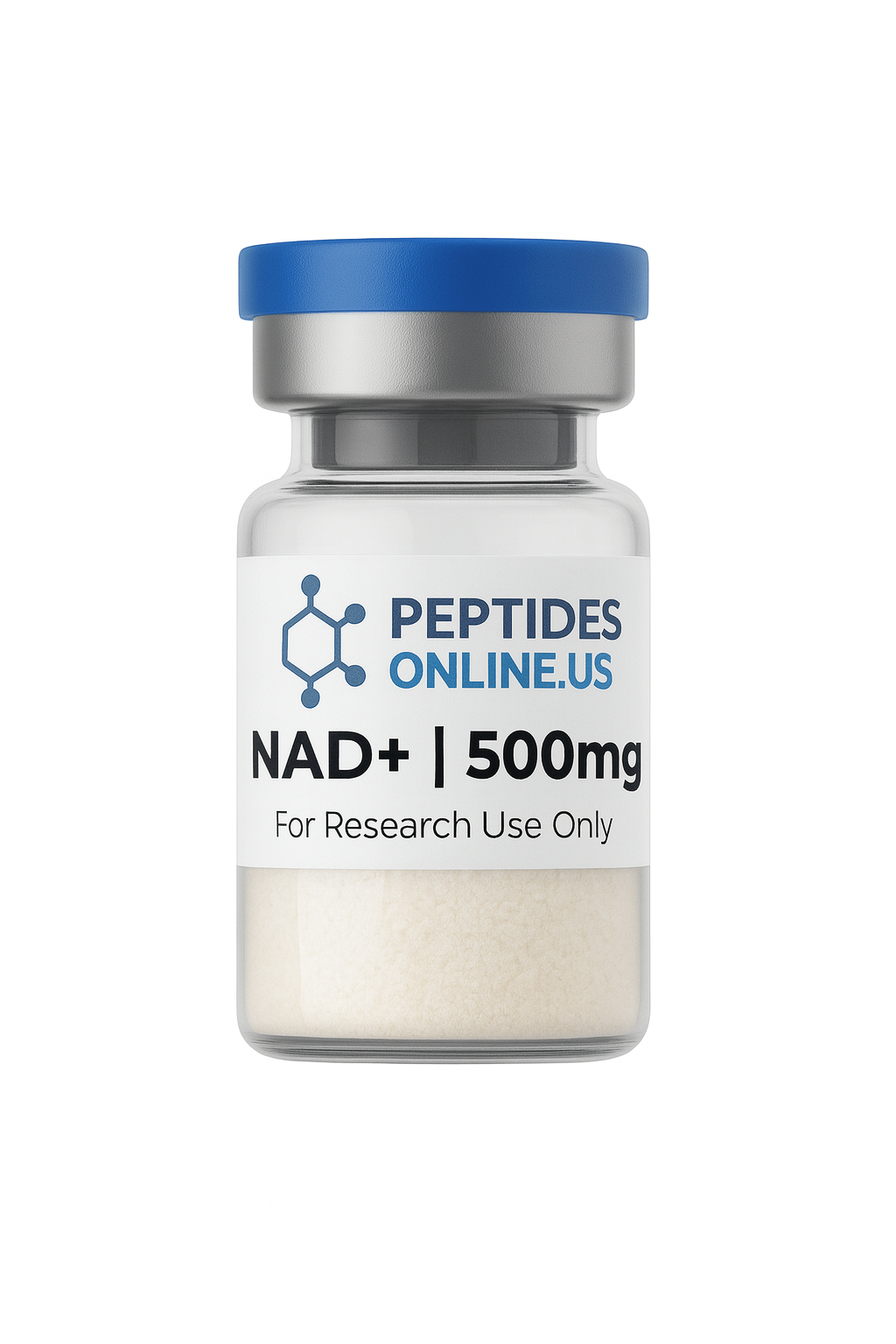
NAD+ (Nicotinamide Adenine Dinucleotide) 500mg
NAD+ (Nicotinamide Adenine Dinucleotide) is a coenzyme found in all living cells. It plays a key role in redox reactions—chemical exchanges that allow cells to produce energy. NAD+ works together with its reduced form, NADH, to transfer electrons during energy metabolism. This process powers essential reactions that keep cells alive and functioning.
Researchers view NAD+ as a vital part of cell biology. Under controlled laboratory conditions, they study how NAD+ levels affect mitochondrial function, DNA repair, and energy balance. In these experiments, specific formulations are used to explore the coenzyme's influence on metabolism and cell stability.
What Is NAD+?
What is NAD+? It is a vital coenzyme found in every living cell. NAD+ stands for Nicotinamide Adenine Dinucleotide, a molecule that plays a central role in energy metabolism and cell function. It helps convert nutrients into energy and supports reactions that maintain healthy cellular processes.
NAD+ was first discovered in 1906 by British biochemists Arthur Harden and William John Young during studies on fermentation. [1] Their work revealed its ability to transfer electrons, making it a key driver of cellular energy production.
Researchers now study NAD+ for its role in DNA repair, mitochondrial function, and cell maintenance. These investigations highlight its importance in supporting the energy balance and stability of living cells under controlled scientific conditions.
Molecular Structure and Composition of NAD+
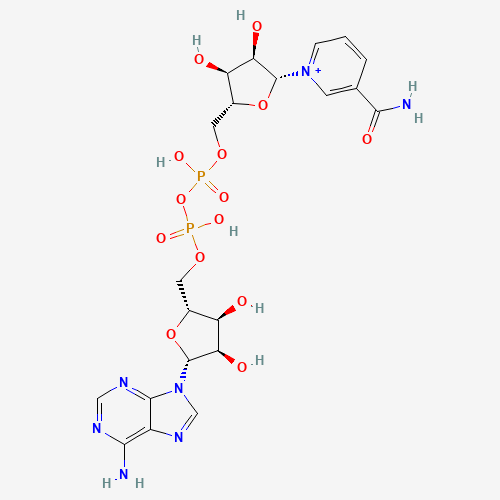
NAD+ has a unique molecular structure that enables its role as a coenzyme in energy metabolism. It consists of two nucleotides joined through phosphate groups, forming a molecule that participates in essential redox reactions within cells.
-
Molecular Formula: C21H27N7O14P2
-
Molecular Weight: 663.43 g/mol
-
CAS Number: 53-84-9
-
PubChem CID: 5893
-
Synonyms: Adenine Dinucleotide, Dihydronicotinamide, NAD cation
As a coenzyme derived from vitamin B3 (niacin or nicotinic acid), NAD+ supports electron transfer between metabolic pathways. These exchanges drive cellular respiration and energy conversion processes. Researchers examine the NAD+ coenzyme for its part in maintaining redox balance and powering biochemical reactions within living cells.
Lyophilized Research Form
NAD+ is commonly supplied in a lyophilized, or freeze-dried, form for research use. This preparation method preserves the compound’s structure and stability, ensuring consistent quality during storage and handling. By removing moisture under vacuum, lyophilization prevents degradation that could occur in liquid solutions.
The dry form of NAD+ allows researchers to store it for longer periods without losing potency. When reconstituted with a suitable solvent, the molecule regains its active state. [2] This process helps maintain accuracy and reproducibility in laboratory studies where molecular integrity is essential for reliable results.
Functions and Effects of NAD+
NAD+ plays a vital role in energy metabolism, mitochondrial activity, muscle function, and cellular repair. It functions as an electron carrier, transferring energy through redox reactions that drive processes like glycolysis, the Krebs cycle, and oxidative phosphorylation. These reactions generate ATP, the main energy source for cells. [3]
Researchers study NAD+ for its influence on mitochondrial function and DNA repair. It supports enzymes such as PARPs and sirtuins, which depend on NAD+ to maintain genomic stability and protect cells from oxidative stress associated with premature aging. In laboratory studies, NAD+ also functions as a signaling molecule that helps cells communicate and adapt to stress while maintaining metabolic balance.
NAD+ Synergies and Supporting Compounds
Several compounds support or enhance NAD+ activity in cellular research. NMN (Nicotinamide Mononucleotide) and NR (Nicotinamide Riboside) are direct precursors that help replenish NAD+ levels. [4] In studies, both molecules are examined for how efficiently they convert into NAD+ within cells.
Resveratrol, a plant-based compound, is also studied for its interaction with NAD+-dependent enzymes called sirtuins. Together, these molecules may influence energy metabolism and mitochondrial efficiency under controlled conditions.
Other nutrients, such as niacin, tryptophan, and riboflavin, contribute indirectly by supporting biochemical pathways that maintain NAD+ balance and stability. [5] These compounds are also commonly found in dietary supplements formulated to assist in maintaining normal cellular metabolism.
Scientific Research on NAD+
Scientific studies on nicotinamide adenine dinucleotide NAD continue to expand across multiple fields of biology. Researchers investigate how this coenzyme influences energy metabolism, DNA repair, and mitochondrial performance to better understand the biological benefits of NAD in maintaining cellular balance.
NAD has become a central focus in studies on cellular longevity, muscle performance, cognitive function, inflammatory response, and metabolic regulation. These ongoing investigations help clarify how NAD+ supports essential biochemical processes in living cells.
Longevity and Anti-Aging Studies
Researchers have observed that NAD+ levels naturally decline with age. This reduction affects mitochondrial function, DNA repair, and overall cellular stability, key factors linked to the aging process. [6] In laboratory studies and pre-clinical trials, restoring NAD+ concentrations has been observed to influence energy metabolism and stress responses in mouse models.
Scientists also examine enzymes that depend on NAD+, such as sirtuins and PARPs, for their roles in genome maintenance. These enzymes link NAD+ to pathways that regulate cellular aging and oxidative stress. Current research explores how NAD+ supports longevity mechanisms and helps preserve cellular health.
Muscle Performance and Recovery
NAD+ has been observed to support mitochondrial activity by transferring electrons during cellular respiration, a process that generates ATP used for muscle contraction. Inside mitochondria, NAD+ accepts and donates electrons through the Krebs cycle and oxidative phosphorylation. This electron flow keeps the energy cycle running efficiently, allowing muscle cells to meet high energy demands during activity.
By regulating redox balance, NAD+ helps maintain the stability of muscle cells under stress. It helps reduce the buildup of reactive oxygen species (ROS) and supports metabolic recovery after exertion. [7] These actions make NAD+ a key molecule in studies of muscle endurance, strength, and post-exercise adaptation.
Cognitive Function and Brain Health
Research also suggests that NAD+ may play a role in maintaining brain function by supporting energy production and helping protect neurons from age-related cellular stress. This coenzyme carries electrons to the mitochondrial electron transport chain during oxidative phosphorylation, a process that generates ATP. This energy powers essential brain activities such as signaling, repair, and neurotransmitter synthesis. [8]
NAD+ also plays a key role in defending neurons against oxidative stress and DNA damage. It provides fuel for enzymes that repair DNA and regulate antioxidant activity. These combined effects help preserve mitochondrial stability and overall neuronal integrity, areas that remain important to ongoing research in human health.
Inflammatory Response
Research also indicates that NAD+ may help regulate intracellular processes linked to oxidative stress and immune signaling. It participates in redox reactions that regulate the balance between oxidants and antioxidants, helping cells maintain internal stability. This redox control supports proper immune signaling and prevents excessive inflammatory activity.
As previously mentioned, NAD+ serves as a cofactor for enzymes such as sirtuins and PARPs, which influence gene expression linked to inflammation and cellular balance, particularly in skin health research. These enzymes depend on NAD+ to repair DNA and regulate cytokine production. Through these mechanisms, NAD+ contributes to maintaining controlled inflammatory responses.
Metabolic Health Benefits
NAD+ plays a central role in regulating metabolism by supporting key energy pathways such as glycolysis, the Krebs cycle, and oxidative phosphorylation. It transfers electrons that enable the conversion of nutrients into ATP, the main energy source for cells. These reactions help maintain energy balance across tissues involved in cell metabolism.
In research settings, NAD+ has been examined for its effects on insulin sensitivity and lipid metabolism, areas often associated with positive health benefits in metabolic studies. [9] It activates enzymes that influence glucose regulation and mitochondrial efficiency. These interactions highlight NAD+ as an essential molecule in studies of metabolic health, metabolic disorders, and cellular energy management.
Addiction Studies
NAD+ has been studied for its potential role in supporting recovery at the cellular level during addiction-related research. In laboratory settings, addiction is often linked to oxidative stress and disrupted energy metabolism. NAD+ helps restore balance by fueling mitochondrial ATP production and maintaining redox stability, which may assist in normalizing cellular energy during detoxification. [10]
Researchers also study how NAD+ supports neurotransmitter synthesis and regulation, processes often impaired in addiction models. By replenishing NAD+ levels, cells regain the capacity to repair oxidative damage and stabilize mitochondrial activity. These effects make NAD+ a molecule of interest in experimental studies focused on addiction and biochemical recovery.
Modern Research and Future Applications
Modern research identifies NAD+ as a key molecule in the study of cellular energy, DNA repair, and mitochondrial maintenance. Scientists examine how NAD+ influences energy transfer, redox balance, and the regulation of vital cellular reactions, especially in response to the decline in NAD observed in aging and metabolic studies. These investigations provide insight into how NAD+ contributes to cellular resilience and longevity.
Current studies also focus on how NAD+ availability shapes gene regulation and metabolic signaling. Advances in biotechnology aim to improve NAD+ stability and delivery through precursor compounds such as NMN and NR. Researchers continue to explore how NAD+ supports neuroprotection, energy homeostasis, and molecular integrity across diverse fields, including geroscience, metabolism, cellular biology, and skin disease research.
Product Purity and Testing
The purity of NAD+ is verified using advanced analytical methods such as High-Performance Liquid Chromatography (HPLC) and Mass Spectrometry (MS). HPLC separates individual components within a sample to confirm compound integrity and detect impurities. MS then measures molecular weight and structure to verify that the substance matches its theoretical composition.
Together, these tests ensure consistency and accuracy in research-grade NAD+ formulations. Scientists rely on these methods to confirm purity percentage, molecular stability, and batch reproducibility before using NAD+ in experimental studies.
Certificate of Analysis (COA)
A Certificate of Analysis (COA) verifies the quality and authenticity of each NAD+ 500mg batch. It lists key data such as purity percentage, molecular weight, and analytical results from HPLC and MS testing. This document also includes batch numbers, appearance, solubility, and testing methods used for validation.
Researchers use COAs to confirm that NAD+ meets established laboratory standards before experimentation. When scientists buy NAD+, these certificates assure traceability, consistency, and compliance with quality benchmarks for reliable scientific research.
Storage and Handling Instructions
NAD+ 500mg should be stored in its lyophilized form in a cool, dry environment away from direct light. This helps maintain its molecular stability and prevents degradation over time. Once reconstituted, NAD+ should be kept refrigerated and used within a limited period to preserve its integrity.
Researchers should handle NAD+ using clean, dry instruments to avoid contamination. Proper sealing after each use prevents exposure to moisture. Following these storage and handling guidelines ensures consistent purity and reliability in laboratory experiments.
Disclaimer
NAD+ is intended strictly for laboratory research purposes. It is not approved for human, veterinary, or diagnostic use. This product should be stored and handled only by qualified professionals in controlled research environments following proper safety procedures. All information provided is for scientific and educational reference only. It should not be interpreted as medical, therapeutic, or legal advice. Researchers are responsible for using NAD+ in compliance with institutional and regulatory standards to ensure safety, accuracy, and ethical scientific practice.
Referenced Scientific Citations
-
Katsyuba, E. & Auwerx, J. (2017). Modulating NAD+ metabolism, from bench to bedside. EBioMedicine, 23, 31–38. PMC
-
Matsuyama, R., Omata, T., Kageyama, M., Nakajima, R., Kanou, M., & Yamana, K. (2022). Stabilization and quantitative measurement of nicotinamide adenine dinucleotide in human whole blood using dried blood spot sampling. Analytical and Bioanalytical Chemistry, 415(5), 775–785. PMC
-
Cantó, C., Menzies, K., & Auwerx, J. (2015). NAD+ metabolism and the control of energy homeostasis: a balancing act between mitochondria and the nucleus. Cell Metabolism, 22(1), 31–53. PMC
-
Freeberg, K. A., Udovich, C. C., Martens, C. R., Seals, D. R., & Craighead, D. H. (2023). Dietary supplementation with NAD+-boosting compounds in humans: current knowledge and future directions. The Journals of Gerontology Series A: Biological Sciences and Medical Sciences, 78(12), 2435–2448. PMC
-
Fukuwatari, T., Shibata, K., & Ishii, T. (2013). Nutritional aspect of tryptophan metabolism. International Journal of Tryptophan Research, 6, 3–14. PMC
-
Schultz, M. B., & Sinclair, D. A. (2016). Why NAD⁺ declines during aging: It’s destroyed. Cell Metabolism, 23(6), 965–966. PMC
-
Goody, M. F., & Henry, C. A. (2018). A need for NAD+ in muscle development, homeostasis, and aging. Skeletal Muscle, 8, Article 9. BMC
-
Zhao, Y., Zhang, J., Zheng, Y., Zhang, Y., Zhang, X. J., Wang, H., Du, Y., Guan, J., Wang, X., & Fu, J. (2021). NAD⁺ improves cognitive function and reduces neuroinflammation by ameliorating mitochondrial damage and decreasing ROS production in chronic cerebral hypoperfusion models through Sirt1/PGC-1α pathway. Journal of Neuroinflammation, 18(1), 207. PMC
-
Zhong, O., Wang, J., Tan, Y., Lei, X., & Tang, Z. (2022). Effects of NAD+ precursor supplementation on glucose and lipid metabolism in humans: a meta-analysis. Nutrition & Metabolism, 19(1), 20. BMC
-
Braidy, N., Villalva, M. D., & van Eeden, S. (2020). Sobriety and Satiety: Is NAD+ the Answer? Antioxidants (Basel), 9(5), 425. PMC